
FNP vs. NP: How Family Nurse Practitioners Differ From Other Nurse Practitioners
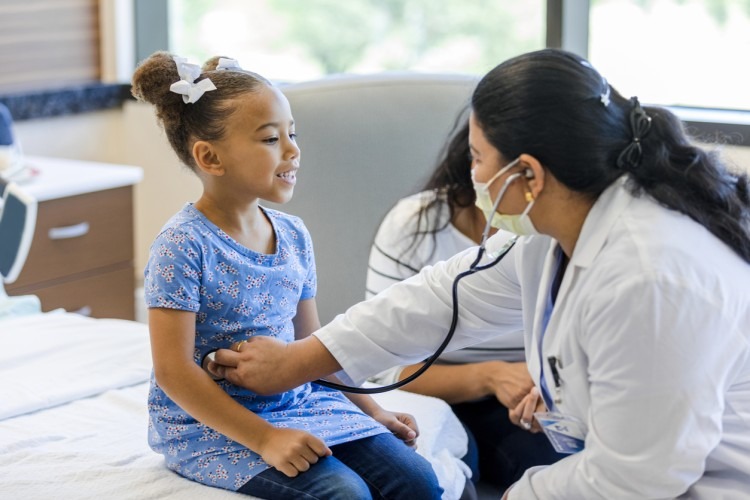
With the United States experiencing an ongoing physician shortage, nurse practitioners (NPs) have become increasingly important in today’s health care system. As advanced practice registered nurses (APRNs), NPs have a higher level of education and more clinical training than registered nurses (RNs), which allows them to diagnose, treat, and manage a wide range of health conditions, including prescribing medications in many states.
Family nurse practitioners (FNPs) are specialized nurse practitioners who provide comprehensive care to patients across all age groups. Many families use FNPs as their primary care providers because they are often more accessible than physicians and can provide many of the same essential medical services.
According to the most recent data from the American Association of Nurse Practitioners, over 65% of NP program graduates are FNPs. So why is the FNP specialization the most popular option among NPs? Are there significant differences found when making the FNP vs. NP comparison? Aspiring nurse practitioners can familiarize themselves with the main differences among advanced practice nursing specialties to be able to make an informed decision about their degree path and long-term career choices.
What Is a Nurse Practitioner?
A nurse practitioner is an advanced practice registered nurse who has completed additional education and training beyond the registered nurse level. NPs must have at least a Master of Science in Nursing (MSN) degree and valid RN and NP licenses to practice. In most states, they also need certification from a recognized accrediting body such as the American Nurses Credentialing Center.
Nurses who become NPs can pursue a range of specializations and have numerous paths to choose from, including family practice, pediatrics, adult-gerontology, psychiatric-mental health, and acute care. One of the most common and versatile NP specialties is family practice, in which providers treat patients of all ages.
What Is a Family Nurse Practitioner?
FNPs are NPs who have elected to specialize in comprehensive primary care for individuals and families. FNPs are trained to provide lifelong, general health care to patients of all ages, from infants to older adults.
Family nurse practitioners can:
- Perform routine check-ups and wellness exams
- Diagnose and manage common illnesses and chronic conditions
- Provide preventive care, including immunizations and screenings
- Educate patients on lifestyle modifications and disease prevention
- Treat acute injuries and infections
- Manage family health concerns, including reproductive health and pediatrics issues
- Prescribe medications
FNPs serve as primary care providers in many settings, often developing long-term relationships with their patients. Due to the growing need for primary care providers, FNPs are increasingly taking on leadership roles, especially in underserved and rural communities.
FNPs work in:
- Primary care clinics
- Private medical practices
- Community health centers
- Urgent care facilities
- Hospitals and outpatient settings
- Schools and university health clinics
- Retail health clinics
FNP vs. Other NPs: What’s the Difference?
The main distinctions between an FNP and other NP roles lie in FNPs’ scope of practice, specialization, patient population, and where FNPs work in contrast to other NPs.
Key Similarities
There is considerable overlap between FNPs and other NP roles in terms of their practice requirements, the treatments they can provide, and their career outlook.
- Both are advanced practice registered nurses.
- Both are required to have an MSN or a Doctor of Nursing Practice (DNP) degree and, usually, national board certification.
- Both can diagnose and treat conditions, and, in states with full practice authority, can prescribe medications.
- Both can work independently or in collaboration with physicians.
- Both are in high demand and have competitive salaries.
Key Differences
Although the majority of NPs are FNPs, there are also significant differences between FNPs and the rest of the NP field.
Patient Base
FNPs provide general, family-centered primary care to patients across all age groups. Other specialized NPs focus on specific populations, such as in pediatrics, adult-gerontology, women’s health, or psychiatric-mental health.
Specialization
FNPs work in primary care settings, offering preventive care, acute care, and chronic condition management. Other NPs work in acute care, adult primary care, or pediatric primary care.
Work Environment
FNPs commonly work in family practice clinics, private practices, and outpatient clinics. Depending on their specialty, other NPs may work in hospice care centers, intensive care units, specialty clinics, or mental health facilities. Psychiatric-mental health nurse practitioners, for example, often work in behavioral health clinics or psychiatric hospitals.
Education and Training
FNPs complete a Master of Science in Nursing or Doctor of Nursing Practice degree program with a focus on primary care across the lifespan . FNP
coursework includes advanced physiology, advanced pharmacology, and advanced health assessment.
Other specialized NPs also earn an MSN or DNP but with training tailored to a specific patient foci in their area of expertise, such as acute care or primary care.
How FNPs Differ From Other Common NP Specialties
According to Barton Associates, FNPs account for around 70% of NPs, making it the most common NP specialty. Another common specialty is psychiatric mental health care (6.5%). Here’s how it compares with the FNP specialty.
Psychiatric-Mental Health Nurse Practitioner
Psychiatric-mental health nurse practitioners (PMHNPs) specialize in mental health diagnosis, therapy, and medication management for psychiatric conditions. PMHNPs work with patients of all ages with mental health disorders.
PMHNP work environments include:
- Behavioral health clinics
- Psychiatric hospitals
- Rehabilitation centers
- Correctional facilities
Essential PMHNP skills include:
- Expertise in mental health disorders
- Proficiency in psychotropic medication management
- Crisis intervention and psychotherapy skills
How PMHNPs Differ From FNPs
PMHNPs focus solely on mental health issues. FNPs address both the physical and mental health concerns of their patients.
How Do FNPs Differ From Other NPs?
Exploring these specific aspects of particular APRN roles can help aspiring NPs choose which career path is right for them.
Primary Care Pediatric Nurse Practitioner
Primary care pediatric nurse practitioners (PNP-PCs) specialize in child and adolescent primary care, managing their patients’ conditions and providing wellness exams, vaccinations, and parental guidance. PNPs work exclusively with infants, children, and adolescents.
PNP work environments include:
- Pediatric clinics
- Children’s hospitals
- School-based health clinics
- Specialty pediatric practices
Essential PNP skills include:
- Expertise in growth and developmental milestones
- Strong communication skills with the ability to speak and listen to both children and parents
- Advanced-level understanding of childhood illnesses and vaccinations
How PNP-PCs Differ From FNPs
PNP-PCs specialize solely in pediatric care, while FNPs treat both children and adults across all ages.
Women’s Health Nurse Practitioner
Women’s health nurse practitioners (WHNPs) specialize in reproductive and gynecological health, providing prenatal care, family planning, menopause management, and sexual health services. WHNPs work exclusively with female patients.
WHNP work environments include:
- Obstetrics and gynecology (OB-GYN) clinics
- Family planning centers
- Women’s health hospitals
Essential WNHP skills include:
- Expertise in pregnancy, reproductive health, and hormone management
- Skill in providing contraceptive counseling and sexually transmitted infection (STI) screenings
- Advanced-level understanding of menopausal symptoms and chronic conditions in women
How WHNPs Differ From FNPs
Whereas WHNPs specialize in female health and reproductive care, FNPs treat male and female patients of all ages.
Adult-Gerontology Acute Care Nurse Practitioner
Adult-gerontology acute care nurse practitioners (AGACNPs) provide critical and emergency care to patients with severe illnesses or injuries. They also treat patients whose chronic medical conditions have suddenly worsened.
ACNP work environments include:
- Intensive care units
- Emergency departments
- Trauma centers
Essential ACNP skills include:
- Expertise in rapid patient assessment and intervention
- Critical care management skills for life-threatening conditions
- Calmness under pressure and quick decision-making abilities
How ACNPs Differ From FNPs
ACNPs treat critically ill or injured patients in life-threatening circumstances. FNPs work in nonemergency outpatient primary care.
Emergency Nurse Practitioner
Emergency nurse practitioners (ENPs) provide urgent care to patients with traumatic injuries and those with acute illnesses and injuries.
ENP work environments include:
- Emergency rooms
- Urgent care clinics
- Trauma centers
Essential ENP skills include:
- Rapid clinical decision-making skills
- Trauma stabilization and wound care capabilities
- Expertise in managing life-threatening emergencies
How ENPs Differ From FNPs
ENPs specialize in emergency and trauma care, while FNPs focus on preventive and routine primary care.
Neonatal Nurse Practitioner
Neonatal nurse practitioners (NNPs) specialize in the care of critically ill and premature newborns. NNPs manage newborns’ complex health conditions and collaborate with neonatologists and pediatric specialists to ensure the survival and well-being of fragile infants.
NNP work environments include:
- Neonatal intensive care units (NICUs)
- Pediatric hospitals
- Specialty children’s hospitals
- Labor and delivery units
Essential NNP skills include:
- Expertise in managing care for preterm and critically ill newborns
- Ventilator and respiratory support care skills
- Proficiency in interpreting neonatal diagnostic tests
- Advanced capabilities in administering neonatal medications
- Ability to provide family education and counseling to parents of preterm infants
How NNPs Differ From FNPs
NNPs specialize in providing critical care to high-risk infants, while FNPs provide primary care to patients of all ages, including infants.
FNPs and Physicians: Both Provide Primary Care Services
Both FNPs and physicians provide primary care services to patients. This may include assessment, diagnosis, lab work, treating chronic and acute conditions, recommending preventative initiatives, and managing the overall care of patients throughout their lifespan. In some states, FNPs can even write prescriptions without physician supervision.
The main difference between these two professionals is their level of education and certification. FNPs need a master’s or doctoral degree in nursing, and they must become certified in their state as an FNP. Physicians, on the other hand, typically need to complete four years of medical school before earning their Doctor of Medicine (MD) degree and completing their residency. They must then obtain board certification.
NPs, and particularly FNPs, will continue to fill primary care roles as more states change their laws and regulations regarding practice authority, according to the U.S. Bureau of Labor Statistics (BLS). This is evidenced by the job outlook for NPs in the coming years — the BLS projects that the profession will grow by 46% between 2023 and 2033, which is much faster than the 4% growth projected for all occupations during the same time period.
Why Become an FNP?
There are many reasons to become an FNP. As primary care providers, FNPs have the opportunity to get to know their patients throughout their lives. They can focus on preventative care and treat a variety of conditions that can help improve their patients’ quality of life in the long term. Some of the other benefits of an FNP role include:
- Potential for autonomy as a primary care provider
- Promising career outlook and job security
- Broad scope of practice
- Increased flexibility with scheduling
- Advancement and leadership opportunities
Choose a Degree Path That Supports Your Health Care Career Goals
Becoming an advanced practice registered nurse is a rewarding pursuit that can position you to make a real impact in the lives of your patients. APRN roles are among the most in-demand, highest paying positions in health care, offering long-term job stability and opportunities for growth. Having compared FNPs and NPs, you can make a sound decision about which career path and degree program best suits you. If you are ready to take the next step, consider enrolling in the online Master of Science in Nursing — Family Nurse Practitioner (MSN-FNP) program at Felician University. Led by instructors who bring real-world nursing experience to the classroom, the program features coursework that covers the advanced nursing practice theories, concepts, and practical skills that you will need for a thriving career as an FNP.
Find out how Felician University’s program can support your long-term nursing career.


Sources:
- American Association of Nurse Practitioners, “Nurse Practitioners in Primary Care”
- American Medical Association, “What’s the Difference Between Physicians and Nurse Practitioners?”
- American Nurses Association, “How to Become an Emergency Nurse Practitioner”
- American Nurses Association, “Types of Nurse Practitioner Specialties”
- Barton Associates, “A Guide to the Top Nurse Practitioner Specialties and NP Types”
- CareerExplorer, “What Does an Acute Care Nurse Practitioner Do?”
- Cedars Sinai “Can I See a Nurse Practitioner Instead of a Doctor?”
- Cleveland Clinic, “Nurse Anesthetist (CRNA)”
- Cleveland Clinic, “PMHNP (Psychiatric Nurse Practitioner)”
- Indeed, “16 Nurse Practitioner Specialties”
- IntelyCare, “10 Types of Nurse Practitioners”
- IntelyCare, “Career Spotlight: Women’s Health NP”
- Pediatric Nursing Certification Board, The Primary Care Certified Pediatric Nurse Practitioner (CPNP-PC)
- U.S. Bureau of Labor Statistics, Nurse Anesthetists, Nurse Midwives, and Nurse Practitioners